News

BIP programmes

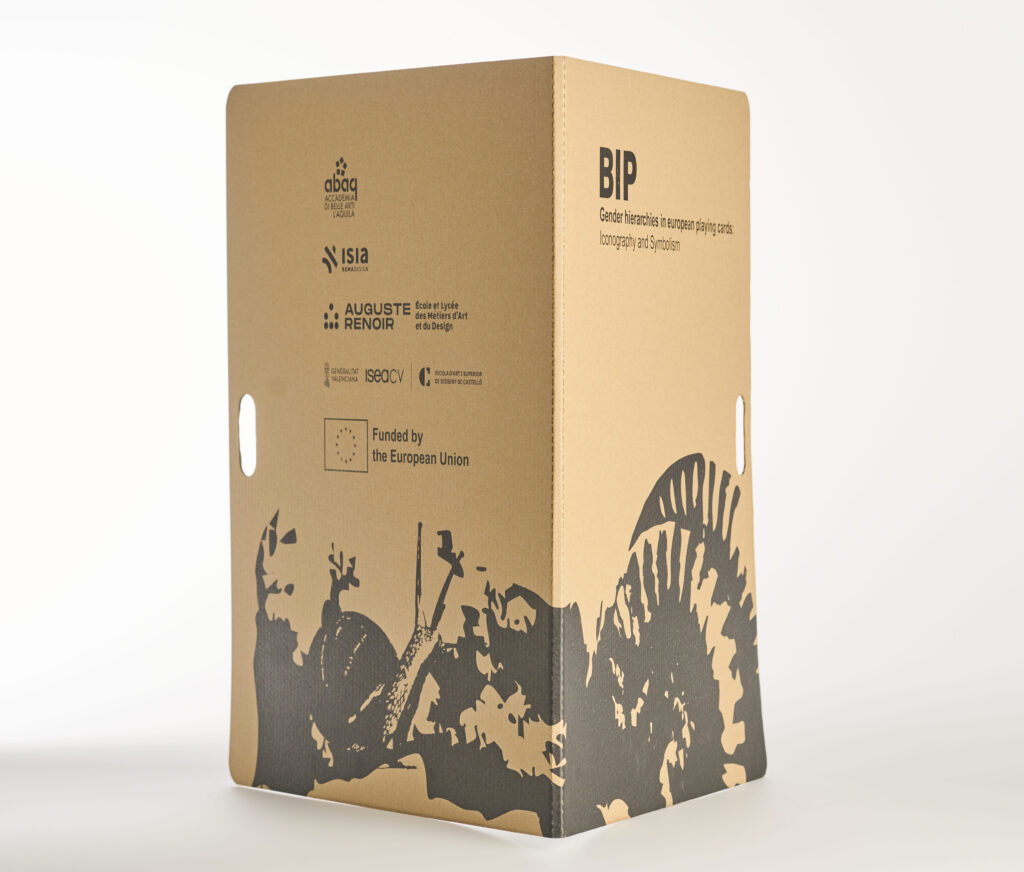
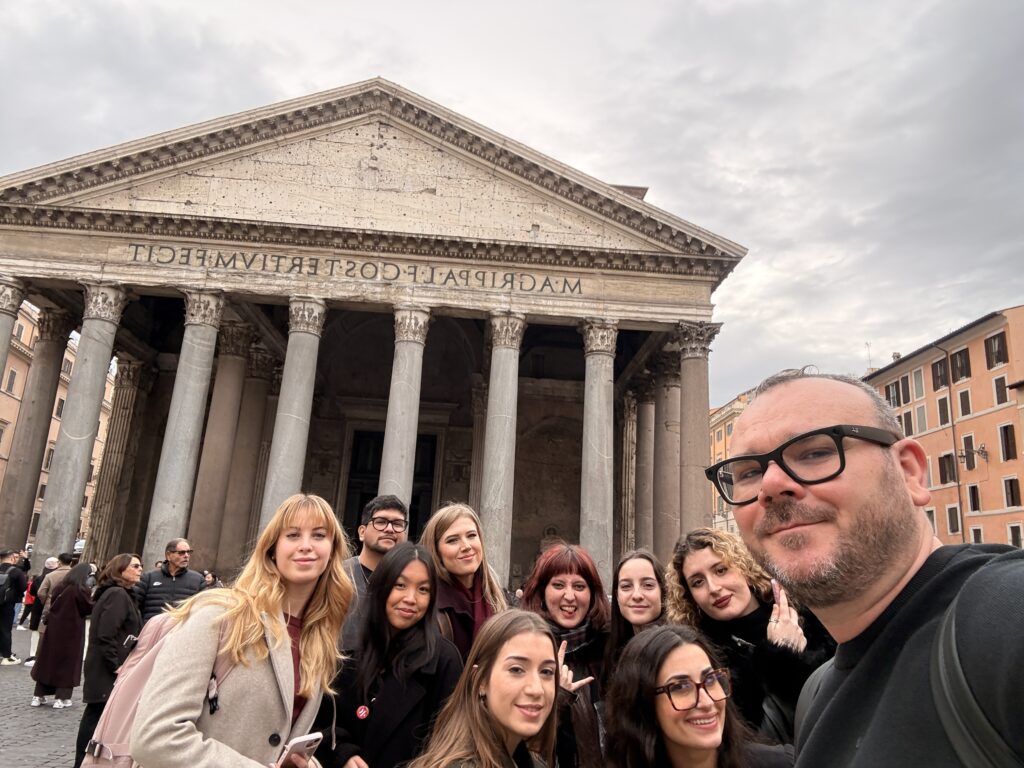
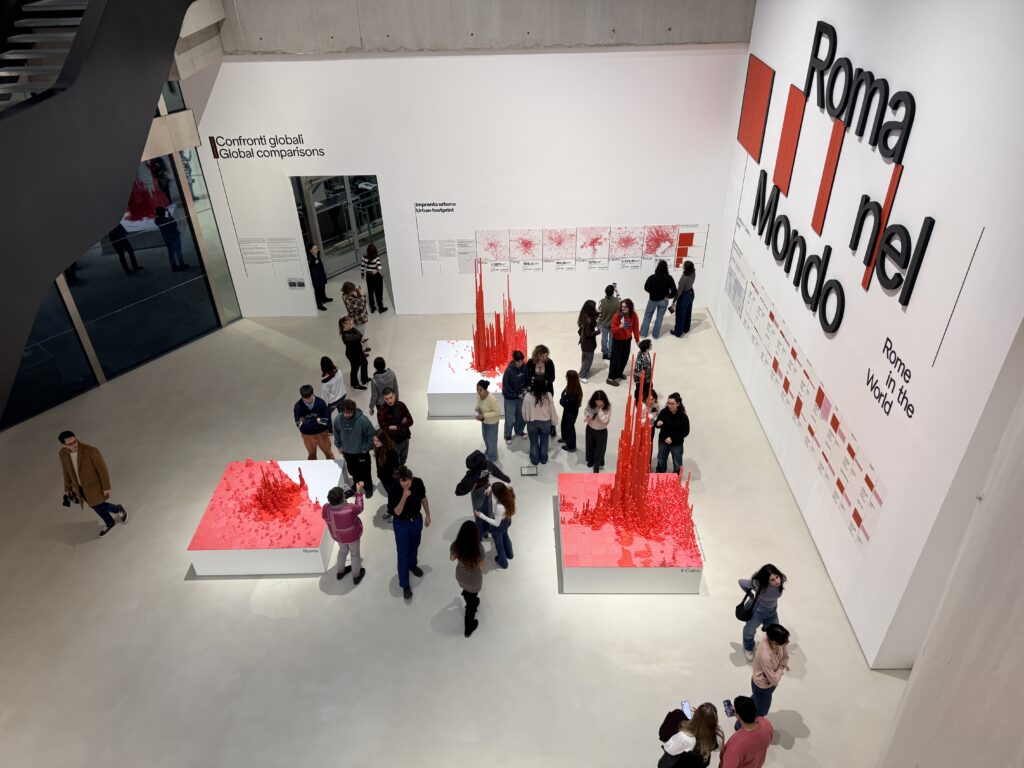
COLLABORATIVE PROJECT WITH THE ACADEMIA DI BELLE ARTI DI L’AQUILA, ISIA ROMA AND LYCEÉ AUGUSTE RENOIR OF PARIS.

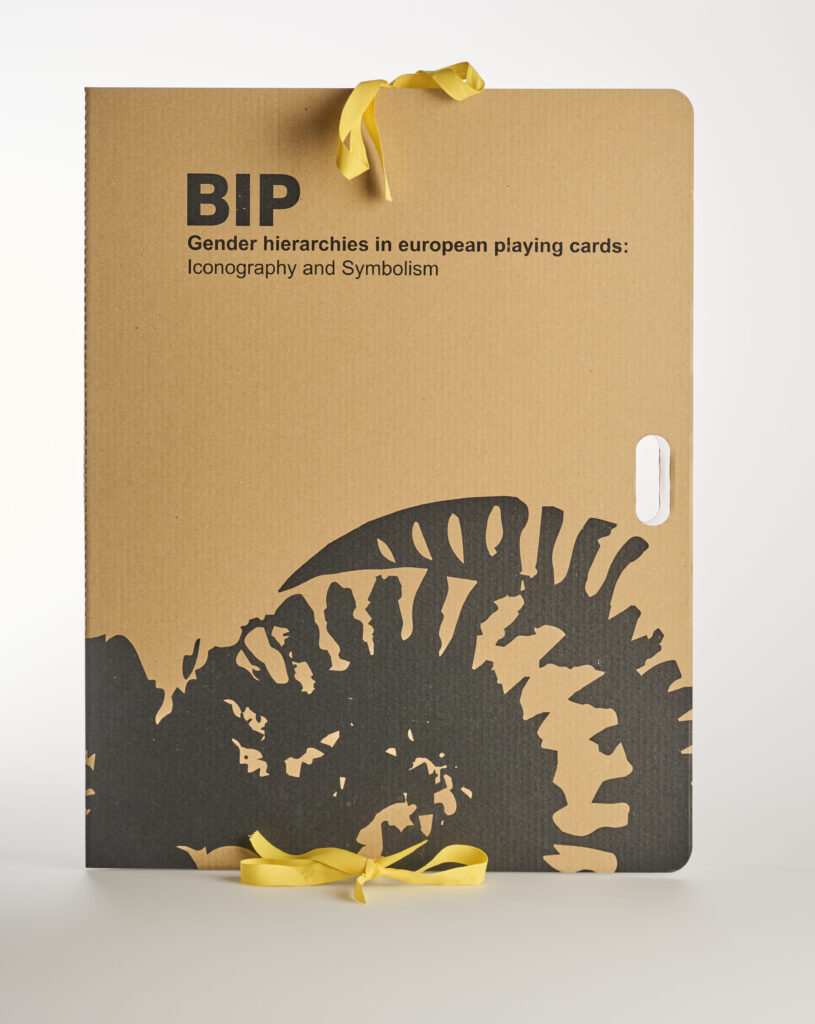
EASD Castelló hosts International Graphic Research Project on the Spanish Deck

The Escola d’Art i Superior de Disseny (EASD) Castelló held its International Week from May 4 to 8, bringing together students and faculty from several European institutions for a dynamic program of academic and creative exchange. This year’s edition reinforced the event’s international scope with the participation of partner institutions including Lycée Auguste Renoir in Paris, ISIA Roma, and the Accademia di Belle Arti di L’Aquila in Italy.

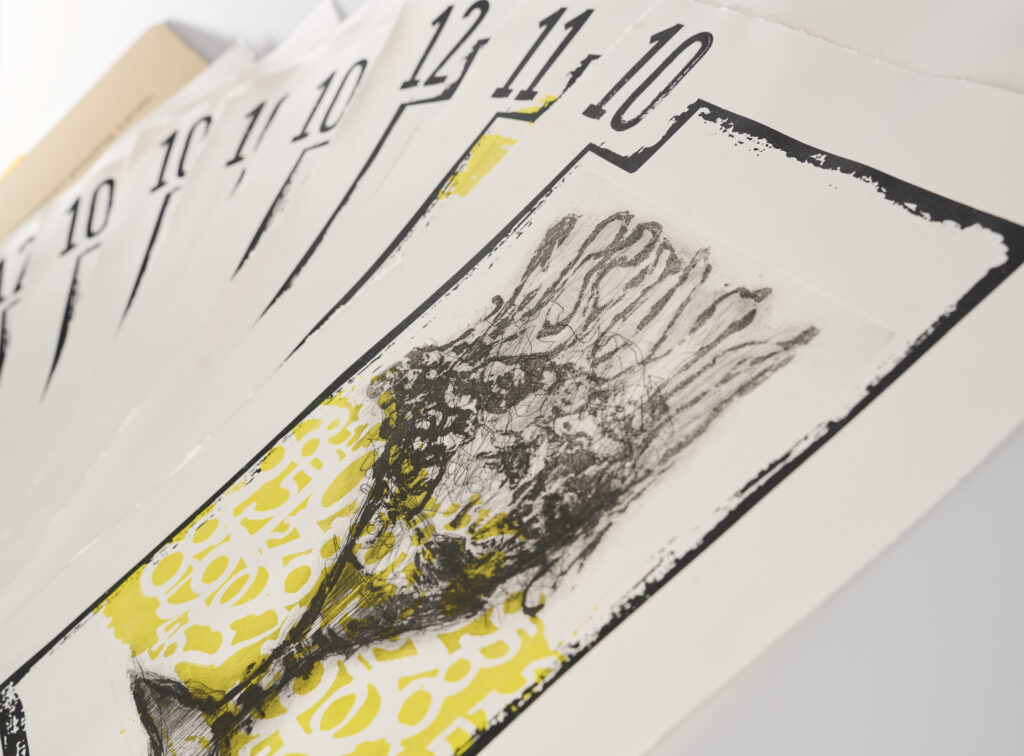
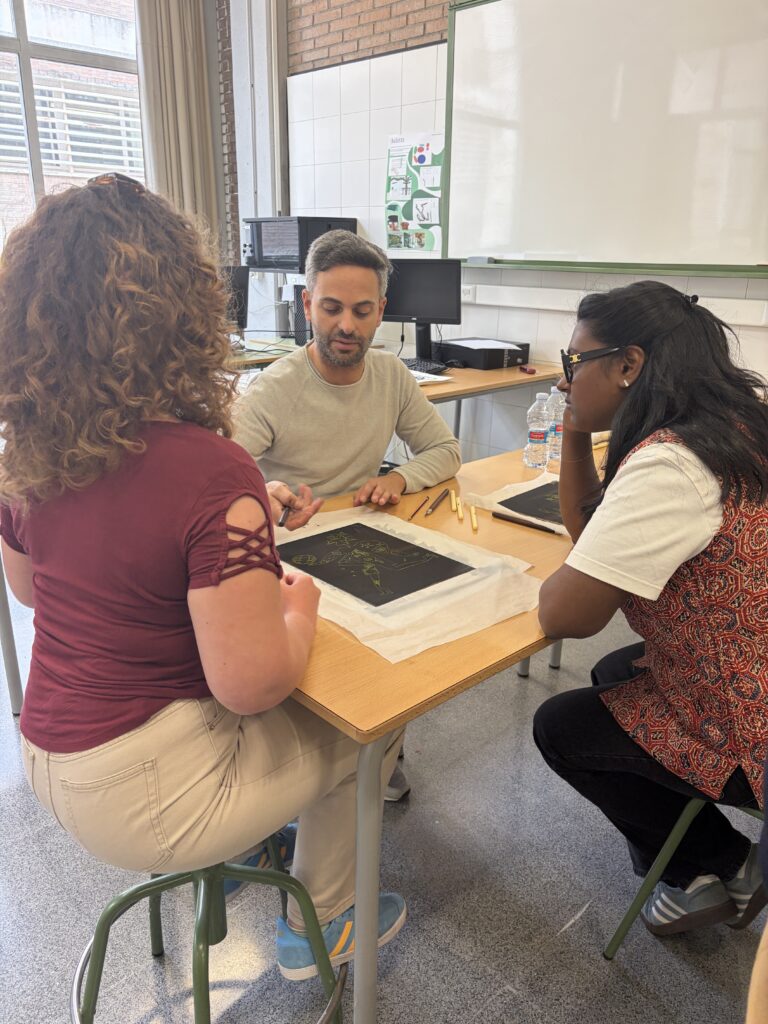
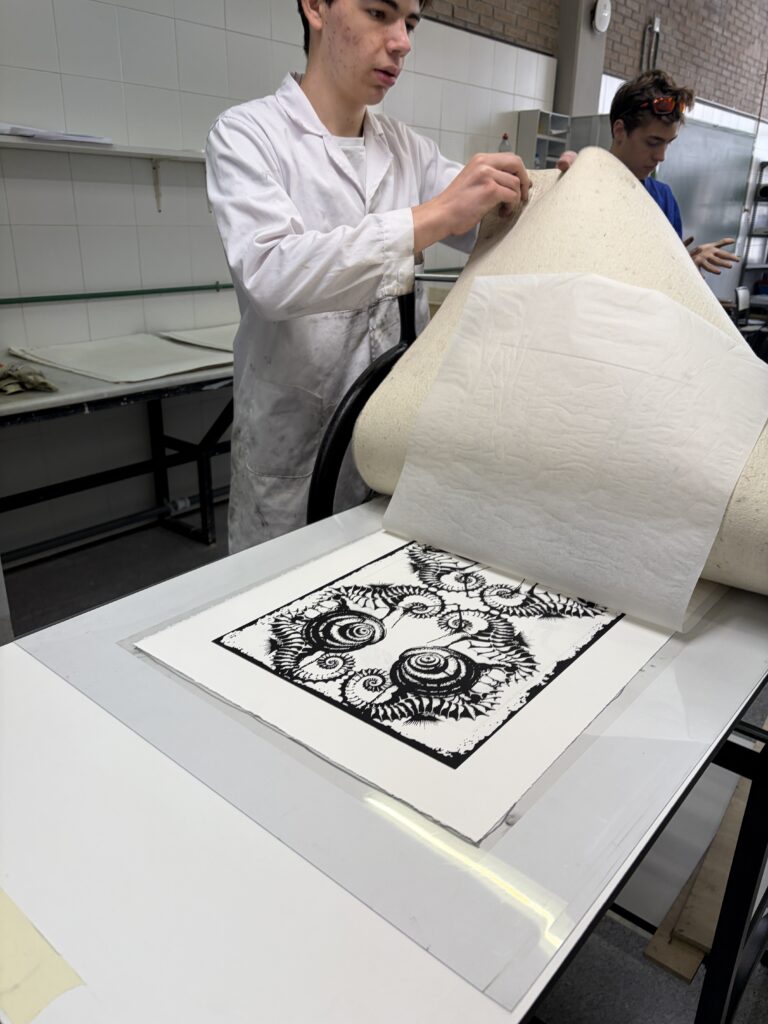
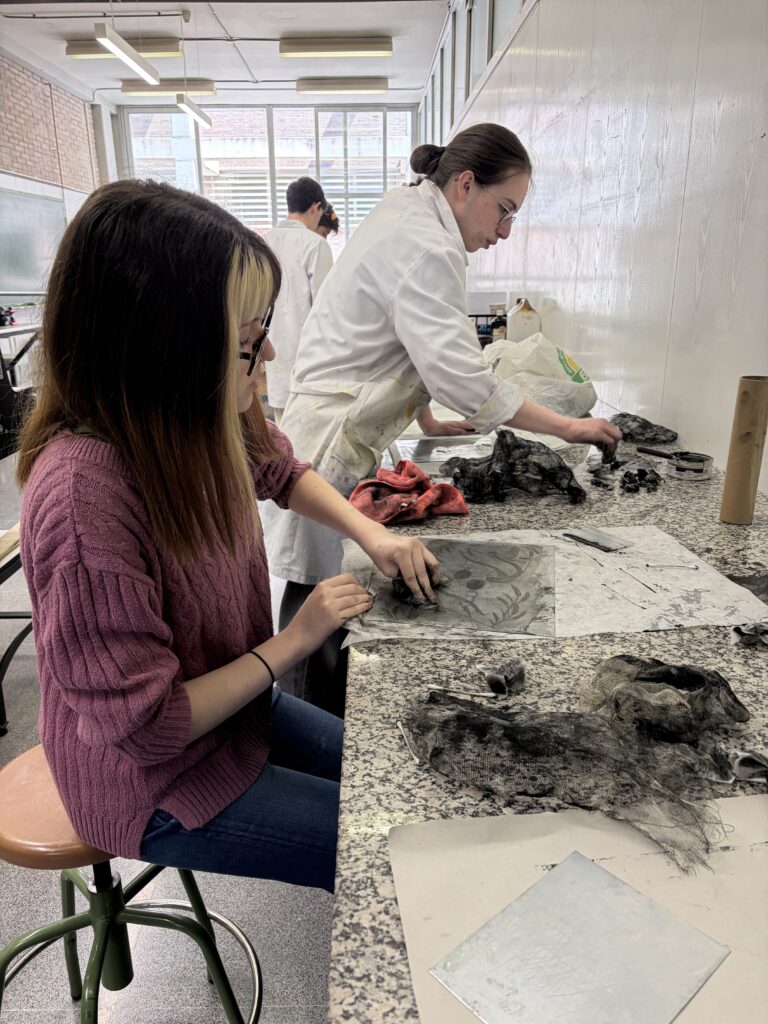
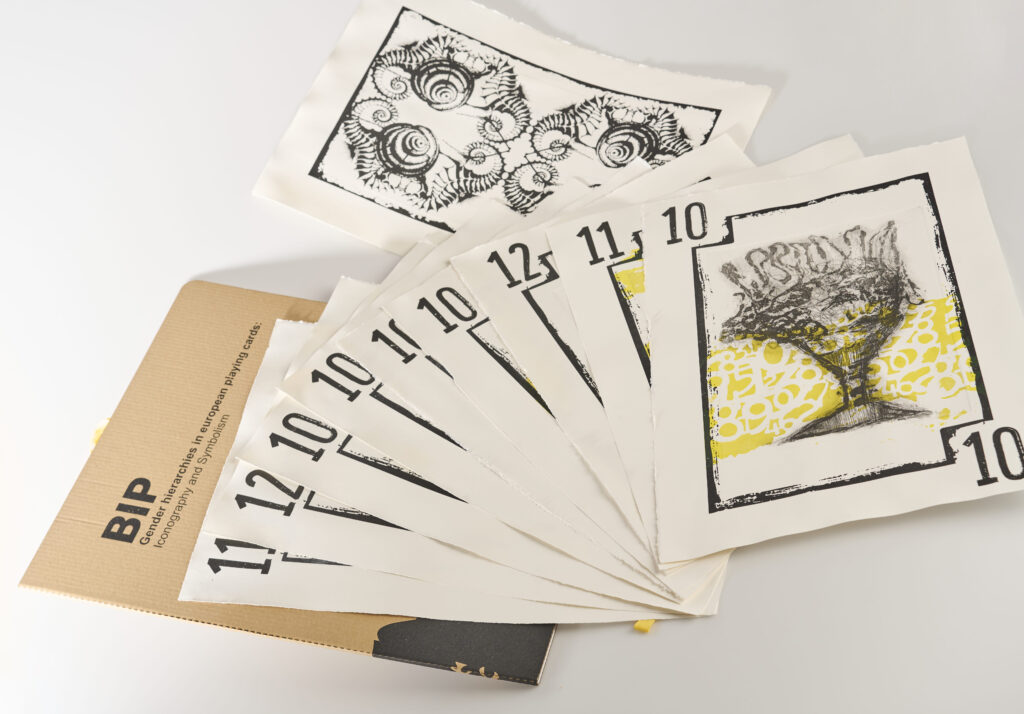
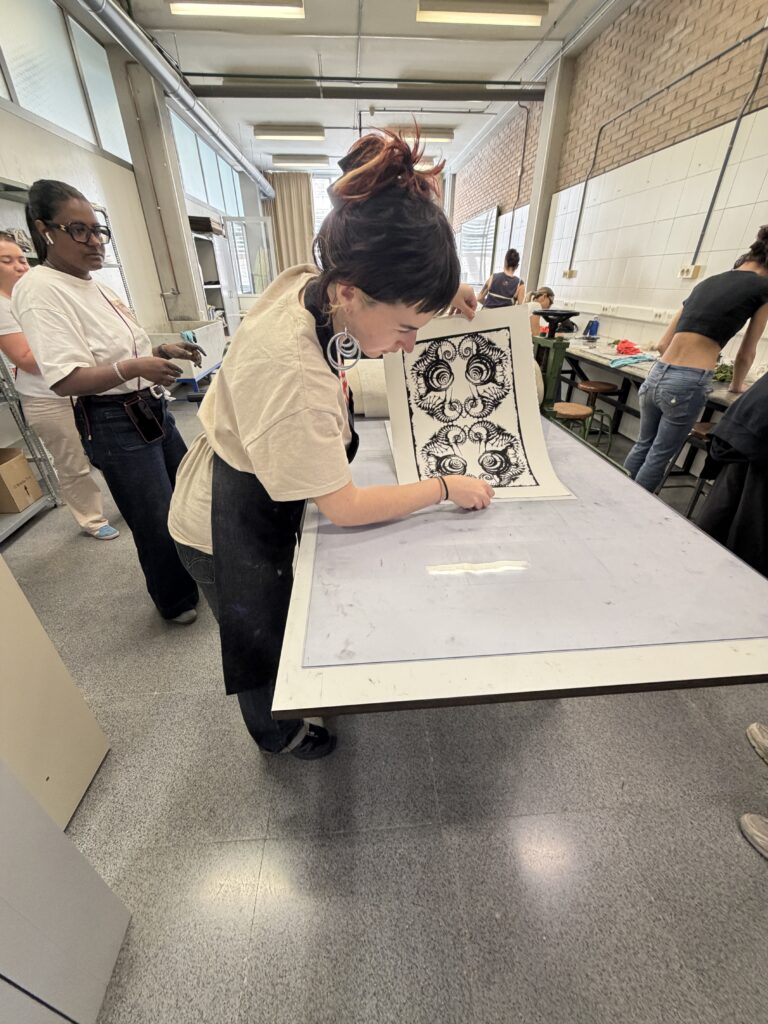
Within this framework, the school hosted an international research and artistic creation project focused on the Spanish deck of cards, examined as both a piece of material culture and a symbolic device of power. The workshop was led by professors Xavi Montava and Eva Salas, lecturers in the Master’s program in Screen Printing and Printmaking.

Structured across three intensive sessions, the initiative combined theoretical reflection, historical analysis, and technical planning for graphic production. Participants explored the Spanish deck through a critical, comparative lens, tracing its evolution from possible Asian origins to its consolidation in Europe.

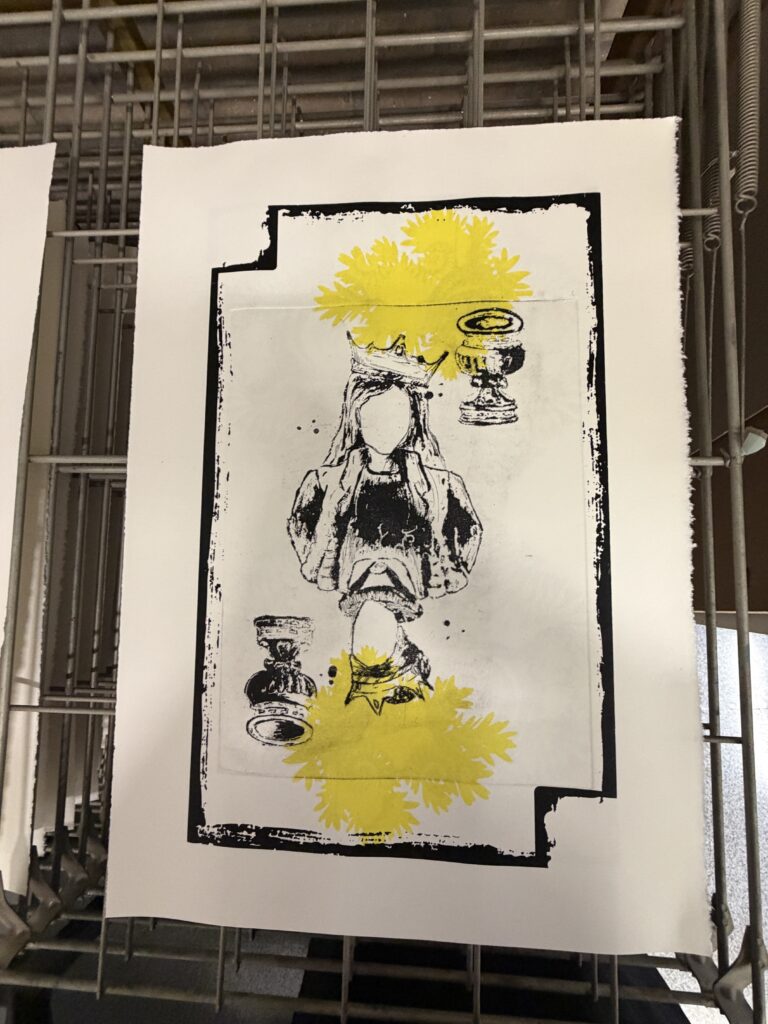
A central focus of the study was the deck’s distinctive tripartite male hierarchy—king, knight, and jack—contrasted with other European models such as the French deck, which includes the figure of the queen. The absence of a female counterpart in the Spanish system was interpreted as a symbolic construct tied to the visual reproduction of patriarchal power, underscoring the idea that playing card iconography is far from neutral.

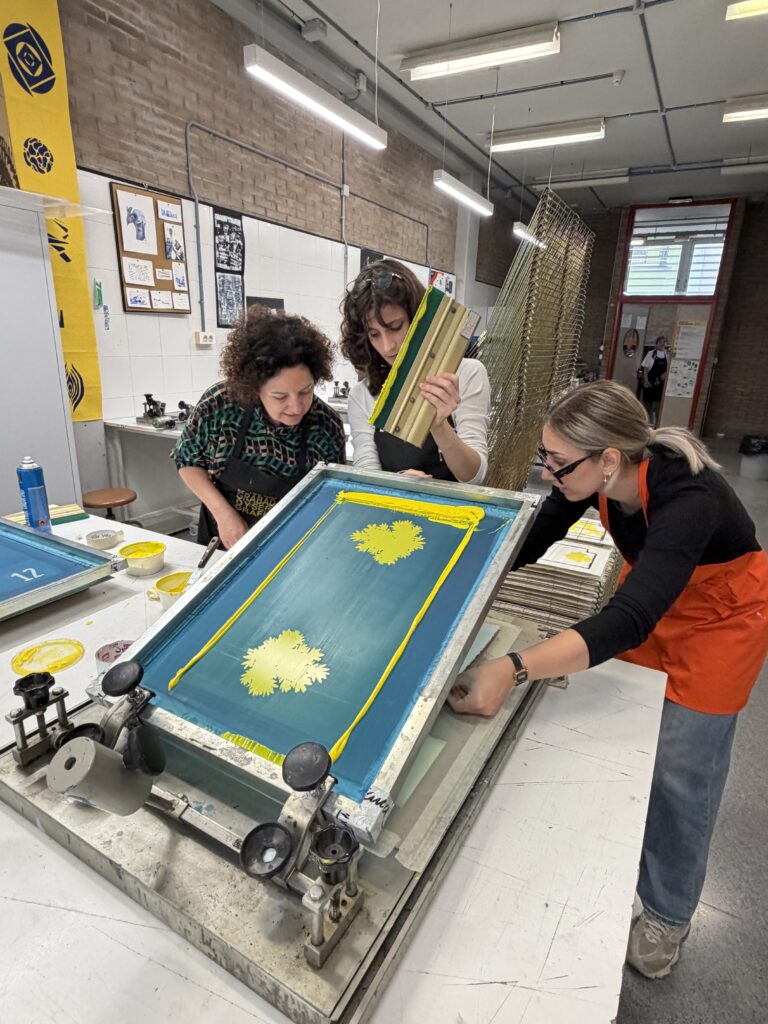
From a technical standpoint, the project combined intaglio printmaking and screen printing, incorporating techniques such as drypoint, aquatint, soft-ground etching, mezzotint, photogravure, and laser engraving. The production system established a formal language based on black-and-white or grayscale imagery for the engraved elements, with screen printing used as a color accent layer.

The initiative was grounded in a robust theoretical framework integrating cultural history, gender studies, and iconographic analysis, positioning playing cards as valuable historical sources. Overall, the project presented the Spanish deck as a historical, graphic, and political artifact—one capable of encapsulating centuries of symbolic authority and its ongoing presence in contemporary visual culture.

COLLABORATIVE PROJECT WITH THE ACADEMIA DI BELLE ARTI DI PALERMO AND ISEC LISBOA

In May 2025, Eva Salas, teacher at EASD Castelló, took part in the Erasmus+ intensive programme E-Conscious Printmaking, hosted by the Accademia di Belle Arti di Palermo (ABAPA) in collaboration with ISEC Lisboa and EASD Castelló.

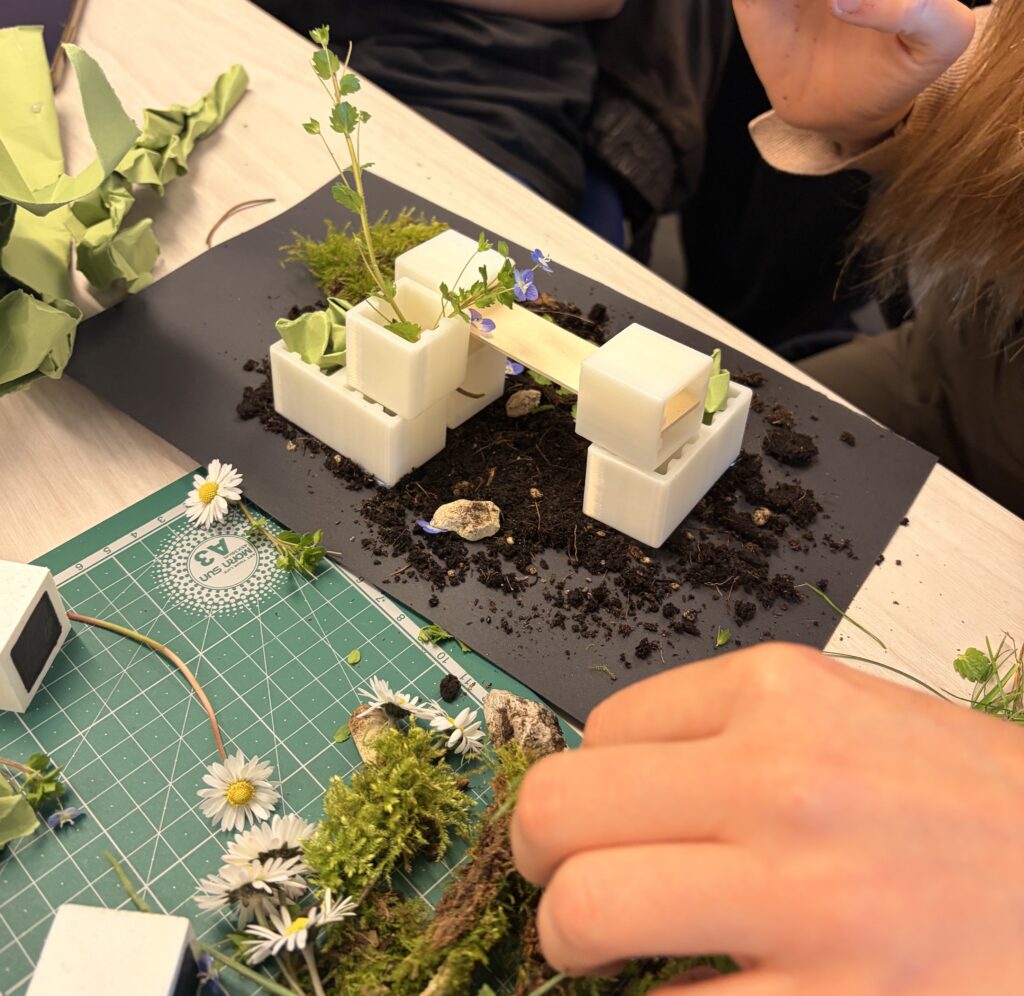
The project focused on sustainable printmaking practices and ecological approaches to image-making. Participants explored techniques such as anthotype and solar photogravure, using non-toxic materials and natural dyes. Activities took place at ABAPA’s printmaking studios and the Botanical Garden of Palermo, fostering creative experimentation and international collaboration.

The programme concluded with the creation of three collaborative artist books – one per country – highlighting the shared artistic and environmental values of the project.

COLLABORATIVE PROJECT WITH ACADEMY OF DESIGN AND VISUAL COMMUNICATION IN CATANIA UNIVERTISÄT FÜR ANGEWANDTE KUNST WIEN

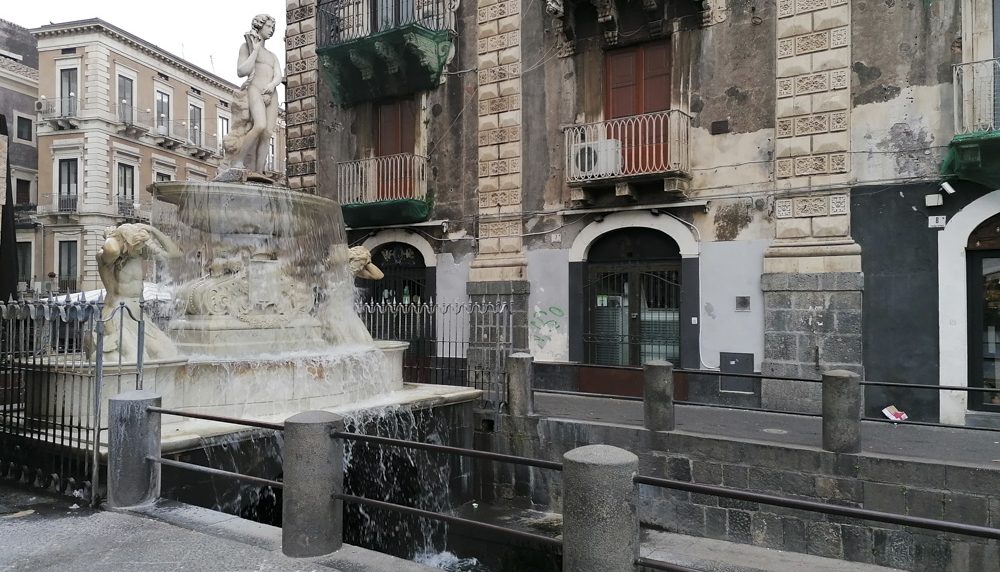
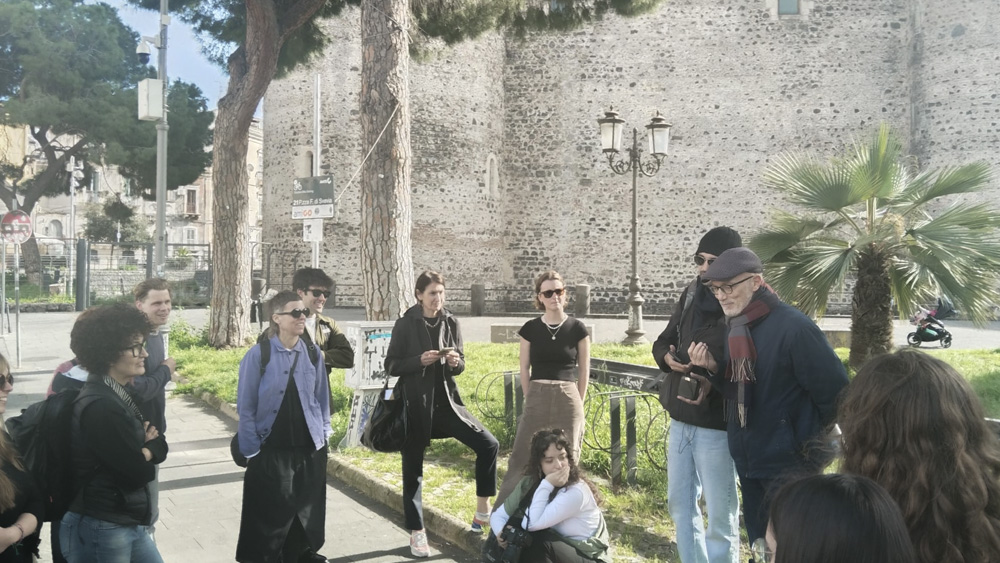
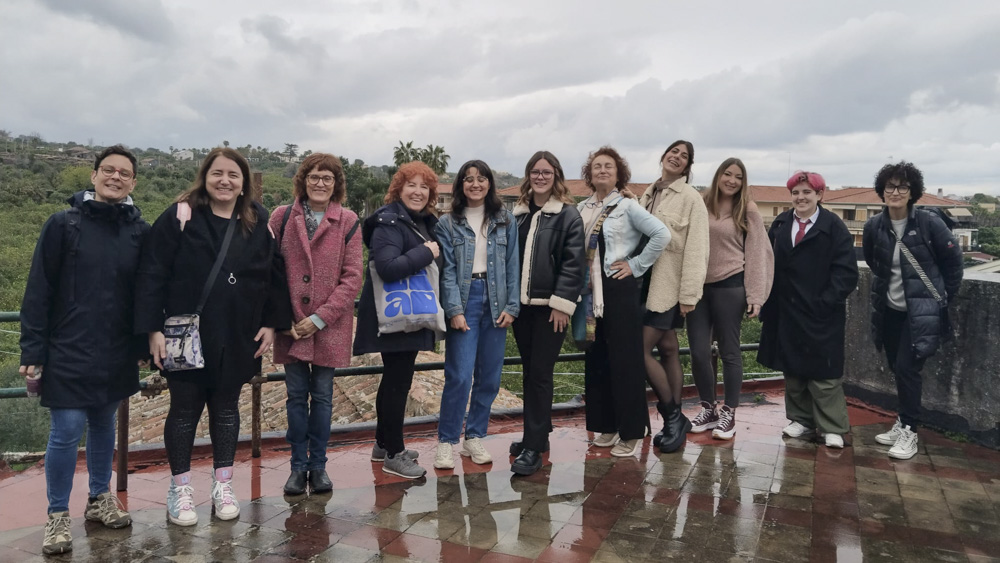
In spring 2025, teachers Ana Llorens, Marina García-Broch, and Cristina Gabà from EASD Castelló participated in the Erasmus+ Blended Intensive Programme (BIP) “Bodies of Water”, hosted by ABADIR – Academy of Design and Visual Communication in Catania, Italy.

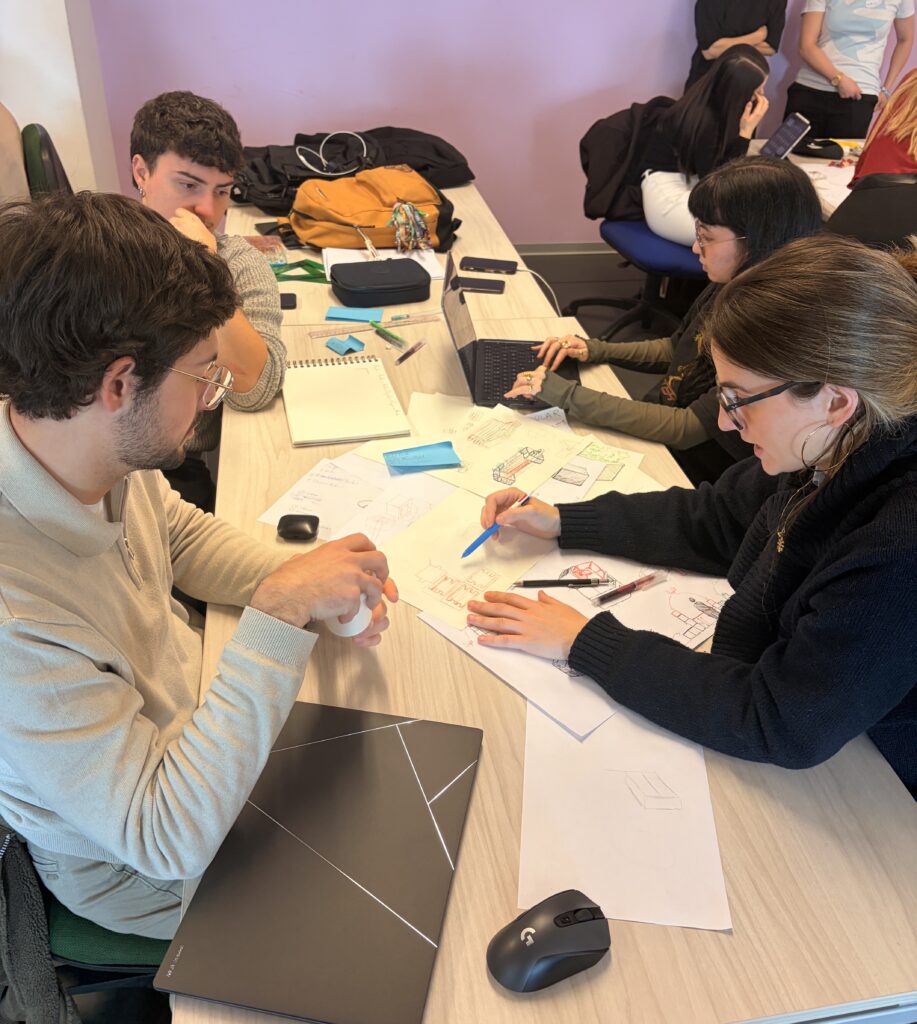
This multidisciplinary programme, developed in collaboration with Universität für Angewandte Kunst Wien (Austria) and EASD Castelló (Spain), explored the intersections between water, pedagogy, and design, emphasizing the central role of water in social and environmental change. Through a critical and creative approach, participants addressed topics such as climate crisis, desertification, and the political dimensions of ecology, focusing on the Mediterranean region as a climate hotspot.

The experience included guided field visits to investigate the historical and contemporary relationship between the city of Catania and its water systems, including underground aquifers and ancient water infrastructures. Students developed individual projects that were presented at the end of the week and will be part of the collaborative digital archive Wetscape.

23/24

COLLABORATIVE PROJECT WITH THE ACADEMIA DI BELLE ARTI DI CATANIA AND INSTITUTO SUPERIOR MIGUEL TORGA IN COIMBRA

During the 24th Design Week of the EASD Castelló, we have received students and teachers from the Academia di Belle Arti di Catania and the Instituto Superior Miguel Torga of Coimbra to carry out a combined intensive project (BIP) Erasmus+ within the studies of the Master’s degree in Engraving and silk-screen printing. 

The Unequal City: a critical approach to reflection and intervention in the city.

The philosopher Martin Heidegger, in his essay «Building, Dwelling, Thinking,» analyzes the meaning of «dwelling» as the use of cities to meet our material and emotional needs. This expanded understanding of housing can be fundamental in rethinking how we plan and organize our cities and urban spaces, not only in terms of functionality but also in promoting human well-being and fulfillment. The right to the city is a collective right for all inhabitants to occupy and enjoy public spaces, regardless of their social, economic, or cultural status. This right means that all citizens have the right to participate in the reinvention of cities to make them more humane, more functional, and better adapted to the needs and aspirations of their inhabitants.

In this context, it is necessary to view the city in a broader sense, as a dynamic organism in constant evolution, and this means rethinking: What does it mean to dwell? How can we build a relationship between people and the space in which they live? How can we build more equitable, inclusive, and sustainable cities?

The project has explored the different layers that make up the city, considering various perspectives and dimensions. In other words, not only the practical functionality of the city but also the everyday experiences, emotional, and spiritual relationships. Through this exploration and using photography, drawing, silkscreen printing, and engraving, the students analyzed and reflected on a variety of issues affecting cities today.

COLLABORATIVE PROJECT WITH THE ACADEMY OF FINE ARTS IN WARSAW AND INSTITUTO SUPERIOR MIGUEL TORGA, COIMBRA

The Lines of War

The exhibition focuses on contemporary approaches to the issues of war and post-war traces (both physical and mental). During their artistic research, the participating artists explored the physical and social space of Warsaw.

Participating artists from the Academy of  Fine Arts in Warsaw: Malwina Bątruk, Ewa Bobrowska, Urszula Grzelka, Marta Jabłońska, Andrzej Jachiewicz, Justyna Kałęcka, Justina Los, Iga Niewiadomska, Marta Normington, Wiktor Olendzki, Barbara Pazio, Adrianna Szadzińska, Filip Zubowski

Curators: Ewa Bobrowska, Lorena Cuenca

The exhibition was organized at the EASD Castello as a result of the Blended Mobility Erasmus + seminar taught by Lorena Cuenca (EASD Castello, Spain), Dr. Ewa Bobrowska (Academy of Fine Arts in Warsaw), and Mariana Castro (Instituto Superior Miguel Torga, Coimbra).


CONTEMPORARY VANITAS OF EWA BOBROWSKA

From 9 to 11 April we can see the video art work Contemporary Vanitas by Ewa Bobrowska in the hall of the Museum of Fine Arts and our school. 

Contemporary Vanitas presents the vanitas trail as unfolding truth, confrontation with the other, and self-confrontation in light of the concept of parresia as the true discourse.

Ewa Bobrowska, Contemporary Vanitas, videoarte.

In addition, the artist will hold a workshop,  on 10 and 11 February, where, from the viewing of her video-art work, she will reflect on the topic of vanitas and the psychoanalytic notion of the unity of death. The possible forms of conceptualization and visualization of oppression in contemporary art will be reconsidered. For this, the theme of vanitas in contemporary art will also be reviewed, paying special attention to the artistic productions of Bill Viola, Chris Burden and Bruce Nauman, among others.